From rigid to revolutionary.
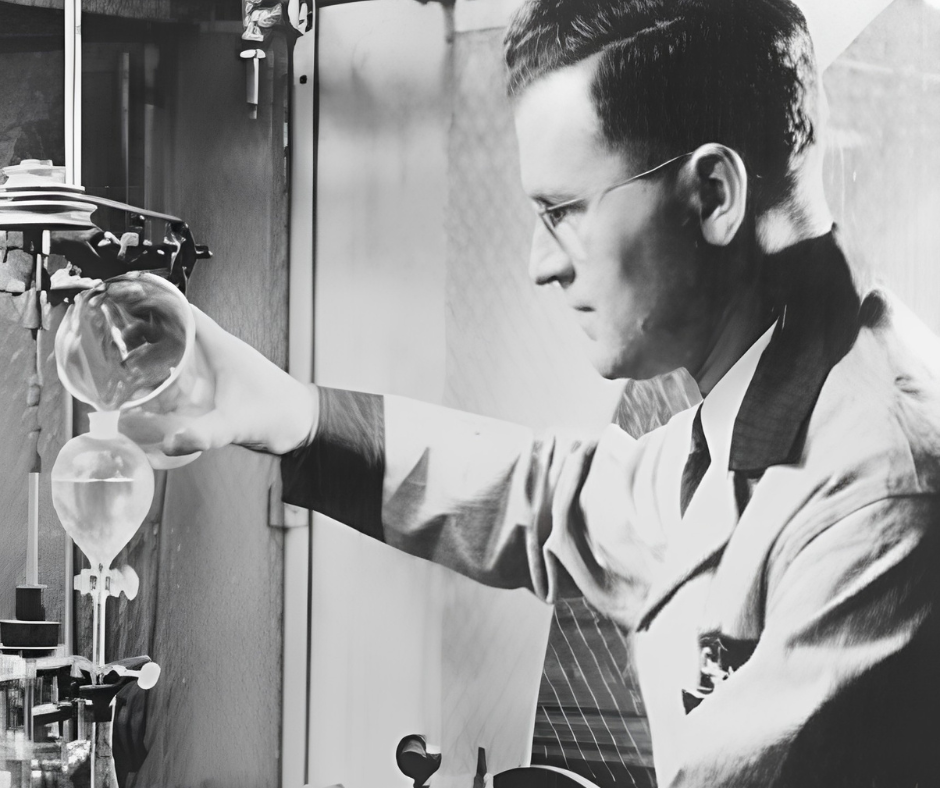
Some of the greatest innovations come from unexpected places. One such story is that of Waldo Semon, a chemist whose curiosity and determination led to the creation of a game-changing material: plasticized polyvinyl chloride (PVC).
A Curious Beginning
In 1926, Semon was working at the B.F. Goodrich Company in Akron, Ohio. At the time, the same year as Jones & Henry’s founding, the world was grappling with the effects of economic upheaval. Tasked with finding an adhesive to bond rubber to metal, Semon embarked on a project many considered dubious. He began experimenting with polyvinyl chloride (PVC), a material synthesized decades earlier but considered rigid and practically worthless.
As Semon heated PVC with specific solvents, something remarkable happened: the rigid, brittle substance began to melt and transform. Instead of creating the adhesive he initially sought, Semon inadvertently discovered a flexible and elastic material that would eventually revolutionize the plastics industry. The moment marked the genesis of what would become one of the world’s most popular and versatile plastics, now known as PVC.
Though Semon’s discovery unveiled immense potential, he faced significant challenges at B.F. Goodrich. The Great Depression cast a shadow over funding for innovation, making it difficult to garner support for his newfound material. However, Semon’s resilience shone through. He showcased the remarkable properties of his plastic by creating golf balls and shoe heels, proving its durability and versatility.
His personal life also played a role in his work; after observing his wife make waterproof shower curtains, he successfully convinced the company to explore commercial applications for the new material. Eventually, he branded his innovation as “Koroseal,” marking a significant milestone in the development of synthetic materials.
The Turning Point: World War II
The real turning point for Semon’s PVC came during World War II. With a significant shortage of natural rubber, the military turned to Semon’s flexible PVC for insulating naval ship wiring. That decision not only highlighted the practical applications of his invention but also solidified its status as an essential industrial resource.
Waldo Semon was not just a one-hit wonder. Born in Demopolis, Alabama, he pursued his chemistry degree with determination, earning his Ph.D. by 1923. Throughout his career, he led significant research initiatives at B.F. Goodrich. He ultimately discovered three new families of polymeric materials, including thermoplastic polyurethane and synthetic rubbers. After retiring in 1963, Semon continued to contribute to the field as a research professor at Kent State University, leaving behind a legacy of 116 U.S. patents.
Waldo Semon’s story serves as a testament to the power of curiosity and perseverance in the face of adversity. What began as a search for a simple adhesive transformed into an innovation that would make PVC one of the world’s best-selling plastics. His accidental discovery reminds us that sometimes, the most monumental breakthroughs come when we least expect them—proving that great things often arise from the crossroads of challenge and creativity.
We’re in good company.
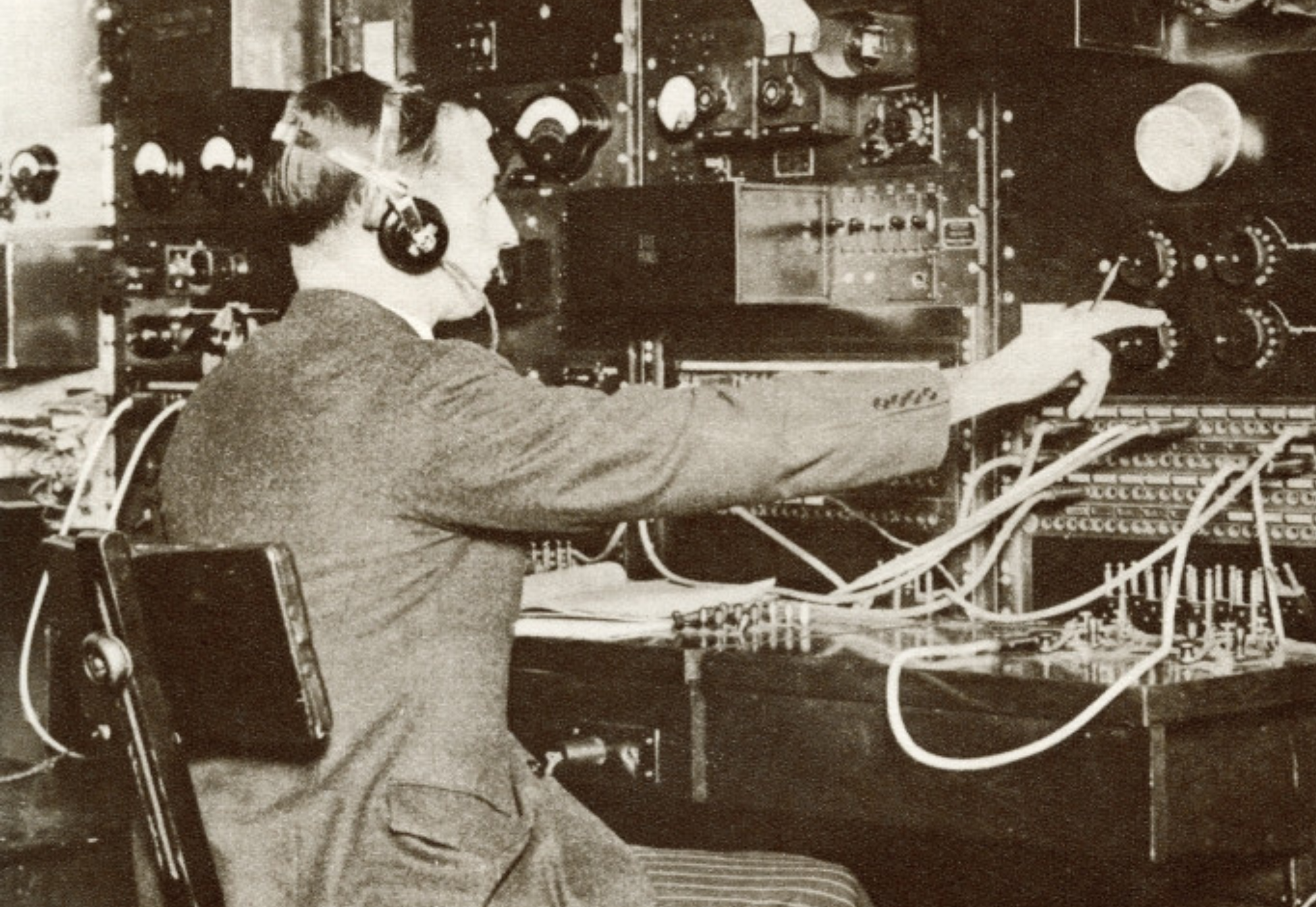
We share a 100-year anniversary year with iconic companies that have shaped our industries and the world we live in today.