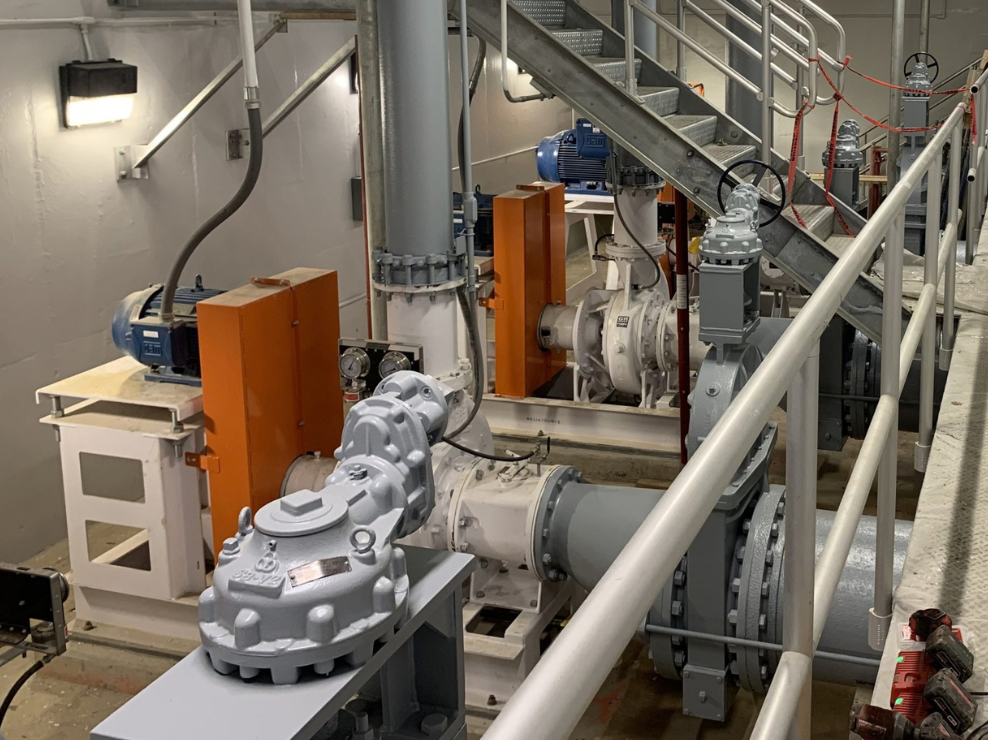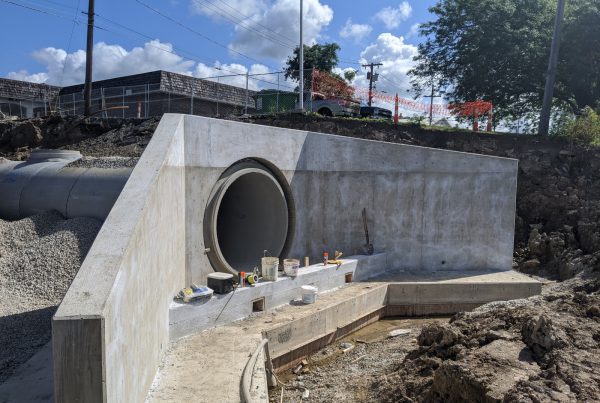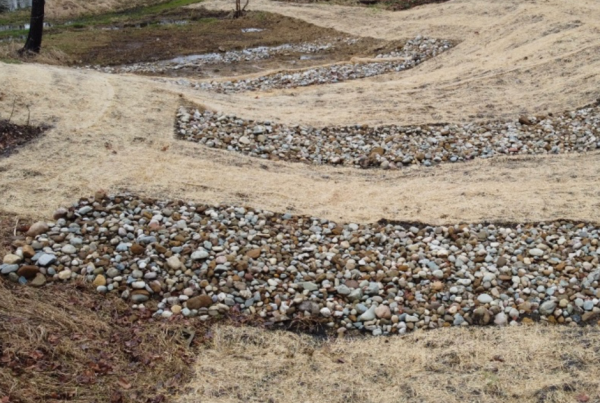
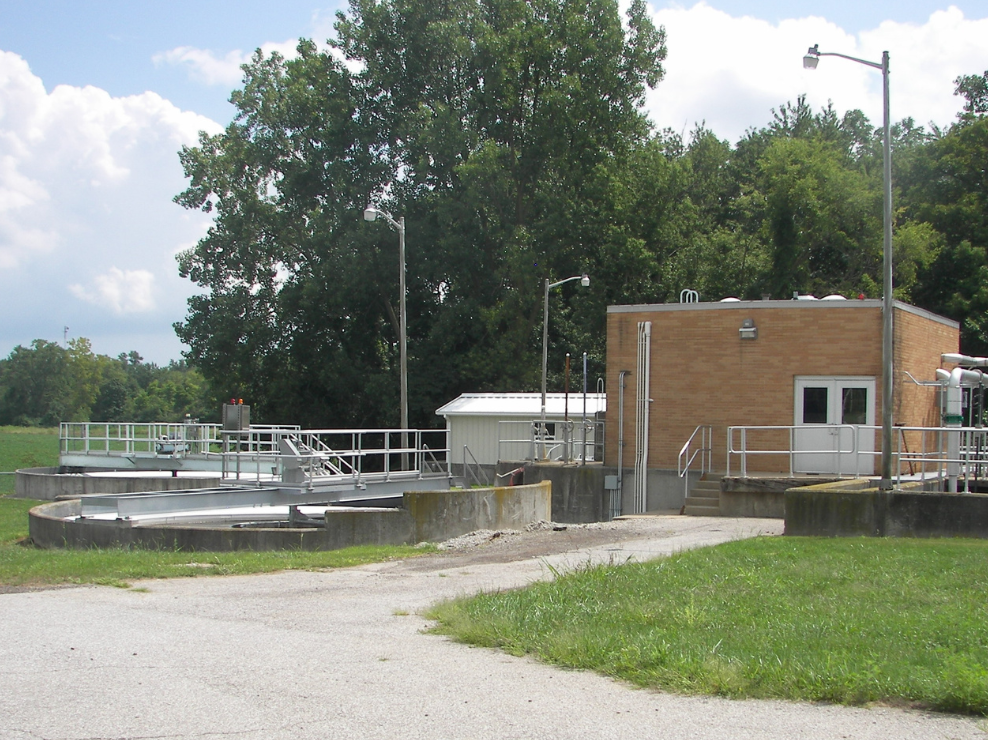
The Montpelier vacuum sewer system project.
In what was an exciting leap forward for wastewater management, the Village of Montpelier in Williams County, Ohio, introduced the state’s very first vacuum sanitary sewer system in the 1990s, thanks to the innovative designs by Jones & Henry Engineers. That pioneering project did more than upgrade the village’s infrastructure; it established a remarkable benchmark for modern wastewater solutions throughout Ohio and beyond.
The Challenge
Before the 1990s, Montpelier faced significant environmental challenges due to its reliance on a combined sewer system. In that outdated model, stormwater and wastewater flowed through the same pipes, leading to troublesome overflows during heavy rains. As a result, raw sewage frequently entered local waterways through two Combined Sewer Overflows (CSOs), posing risks to water quality and public health.
The Vacuum Sanitary Sewer System
The innovative vacuum sewer system was designed with a clear objective: to efficiently separate stormwater from sanitary waste. Unlike traditional gravity systems, which require deep excavation and larger pipelines, the vacuum system uses negative pressure to transport waste quickly. The ingenious approach proved especially beneficial in an area with flat terrain and a high water table.
Jones & Henry designed the vacuum system with efficiency in mind, using smaller, flexible plastic pipes buried in shallow trenches. That not only significantly reduced excavation costs but also minimized disruption to the landscape, ensuring that the community’s aesthetic appeal remained intact. Furthermore, the environmentally friendly vacuum mechanism prevents leaks; rather than allowing sewage to seep into groundwater, it draws in air if a pipe is compromised, safeguarding the surrounding ecosystem.
The system works much like a giant vacuum cleaner, rapidly pulling waste into the main line. Once the collection pits reach fullness, a valve opens, transporting waste efficiently to a centralized vacuum pump station. The design ensures a seamless journey from waste collection to treatment at the Montpelier Wastewater Treatment Plant, enhancing the overall process.
Lasting Impact
The successful installation of Montpelier’s vacuum sewer system not only resolved the immediate problem of sewage overflow but also contributed to long-term environmental sustainability. By effectively separating stormwater from sanitary waste, the project eliminated the two problematic CSOs that had previously threatened local water quality.
Today, Montpelier proudly showcases a well-functioning infrastructure that includes this specialized vacuum system, multiple lift stations, and stormwater management solutions. The benefits of this innovative approach have positioned Montpelier as a leader in responsible waste management practices, inspiring similar projects in other regions.
Conclusion
The vacuum sanitary sewer system in Montpelier, designed by Jones & Henry Engineers, stands as a testament to the power of engineering innovation to tackle environmental challenges. By emphasizing sustainability and efficiency in wastewater management, the Village of Montpelier has not only safeguarded its vital water resources but also set a commendable standard for modern infrastructure development. This groundbreaking project serves as an inspiring reminder of how innovation can create cleaner, healthier communities for generations to come, illuminating a positive path forward for waste management worldwide.

A century of innovation.
Since our founding in 1926, Jones & Henry has been a leader in wastewater treatment, disposal, and utilization design.