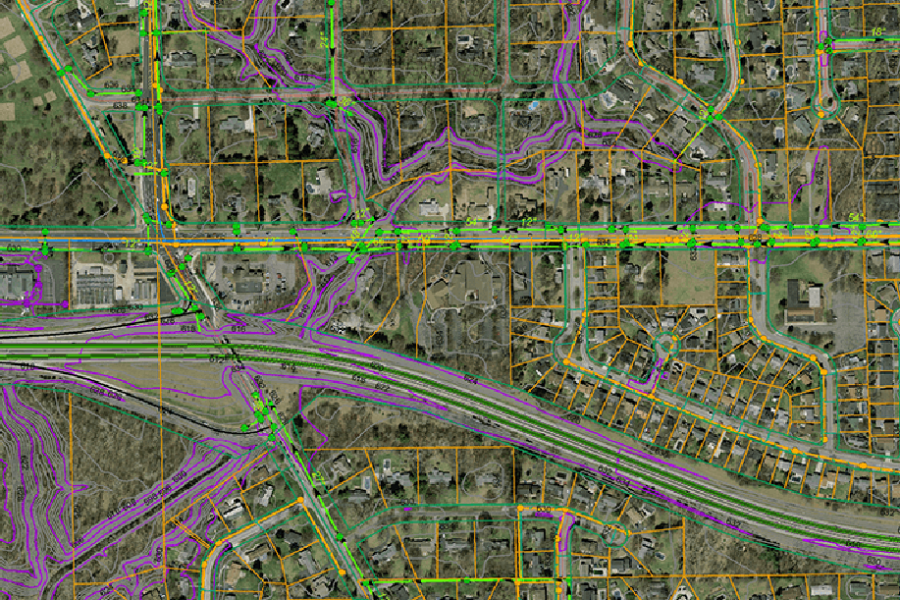
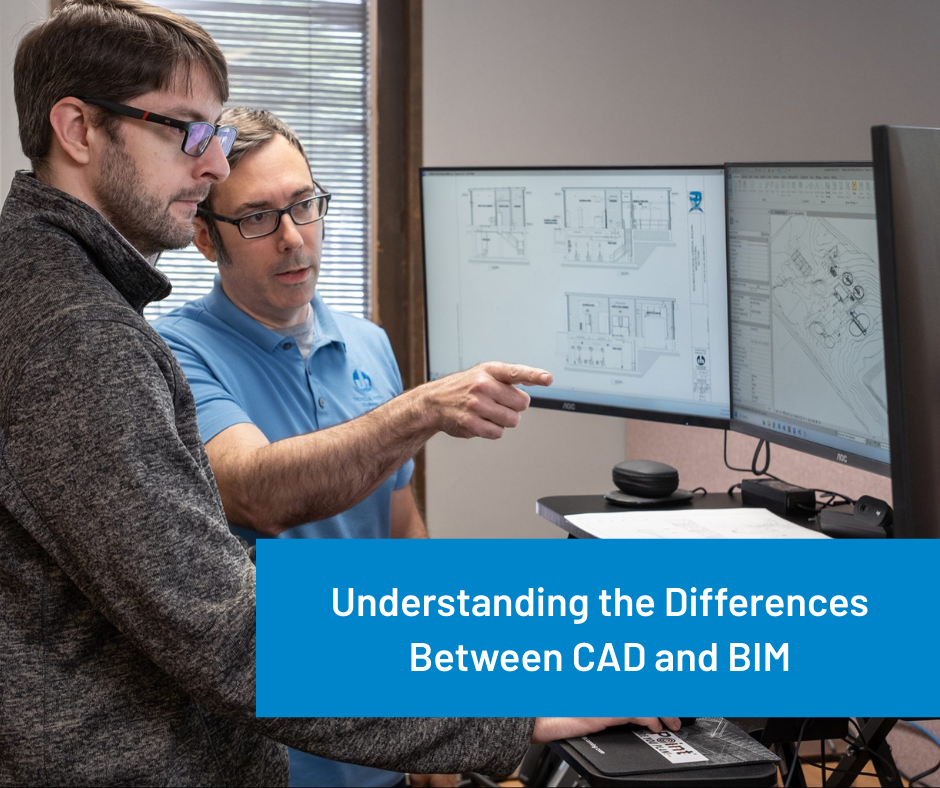
Integral tools in engineering, CAD and BIM have unique strengths and applications.
In the field of engineering, technology plays a crucial role in the conception, design, and execution of projects. Two key technologies that have transformed the industry are Computer-Aided Design (CAD) and Building Information Modeling (BIM). While both are essential for modern design processes, they serve distinct purposes and offer various contexts. Understanding their differences can significantly impact project efficiency, collaboration, and outcomes.
What is CAD?
Computer-Aided Design (CAD) focuses on creating precise 2D and 3D drawings and geometric models. It’s fundamentally a drafting tool that allows designers to develop detailed schematics and manufacturing components. CAD primarily handles geometric data, including lines, shapes, and dimensions.
CAD provides several key features that enhance the design process. One of the most significant advantages is the ability to create high-precision drawings, which are essential for applications in manufacturing and engineering. The CAD process is typically file-based, requiring updates to be made manually across various documents, such as plans, sections, and elevations. That aspect highlights the importance of careful management to ensure consistency across all related files. CAD works well for detailed drafting, small-scale design projects, and creating the necessary schematics that support the manufacturing process.
What is BIM?
Building Information Modeling (BIM) takes a more holistic approach by using a collaborative process that manages a building’s entire lifecycle through an intelligent, data-rich model. Unlike CAD, BIM goes beyond geometric data, incorporating materials, costs, scheduling, performance, and facility information.
BIM provides a comprehensive digital representation of a building that includes vital information regarding materials, their properties, costs, and maintenance schedules. This extensive data richness enhances the decision-making process throughout the project. One of the key advantages of BIM is its ability to facilitate centralized collaboration; any changes made in one part of the model get automatically applied across all views. That feature ensures that everyone involved is working with the most current information, minimizing the risk of errors. Furthermore, BIM supports the entire project lifecycle, from design and construction to operation and maintenance. Its versatility makes it invaluable for various purposes, including clash detection, analysis, cost estimation, and effective facility management.
Key Differences Between CAD and BIM
At its core, CAD is fundamentally about creating simple lines for designs, whereas BIM takes it a step further by focusing on objects that contain embedded data. For example, in BIM, a wall object not only represents the physical wall itself but also includes crucial information about its material specifications and structural requirements.
One of the significant advantages of BIM over CAD is its emphasis on collaboration and teamwork. CAD often operates in isolation, which can lead to communication breakdowns among team members. In contrast, BIM enhances real-time data sharing and coordination, enabling project teams to work seamlessly together throughout the entire project lifecycle.
Another critical aspect is clash detection. In CAD, identifying conflicts typically requires manual checks, which can be time-consuming and prone to human error. BIM automates the process of detecting clashes, allowing teams to proactively address potential issues before they escalate into costly problems on-site.
Lastly, it’s worth noting the scope and methodology of these tools. While CAD is primarily a design tool, BIM represents a comprehensive methodology that encompasses all stages of the building lifecycle, offering a more holistic approach to construction and design.
Conclusion
In summary, CAD and BIM are both integral tools in engineering, each with unique strengths and applications. CAD is ideal for precise drafting and small-scale projects, while BIM fosters collaboration and effective management of the entire building lifecycle. For professionals seeking to enhance project outcomes, understanding when to utilize CAD and when to leverage BIM can make all the difference.
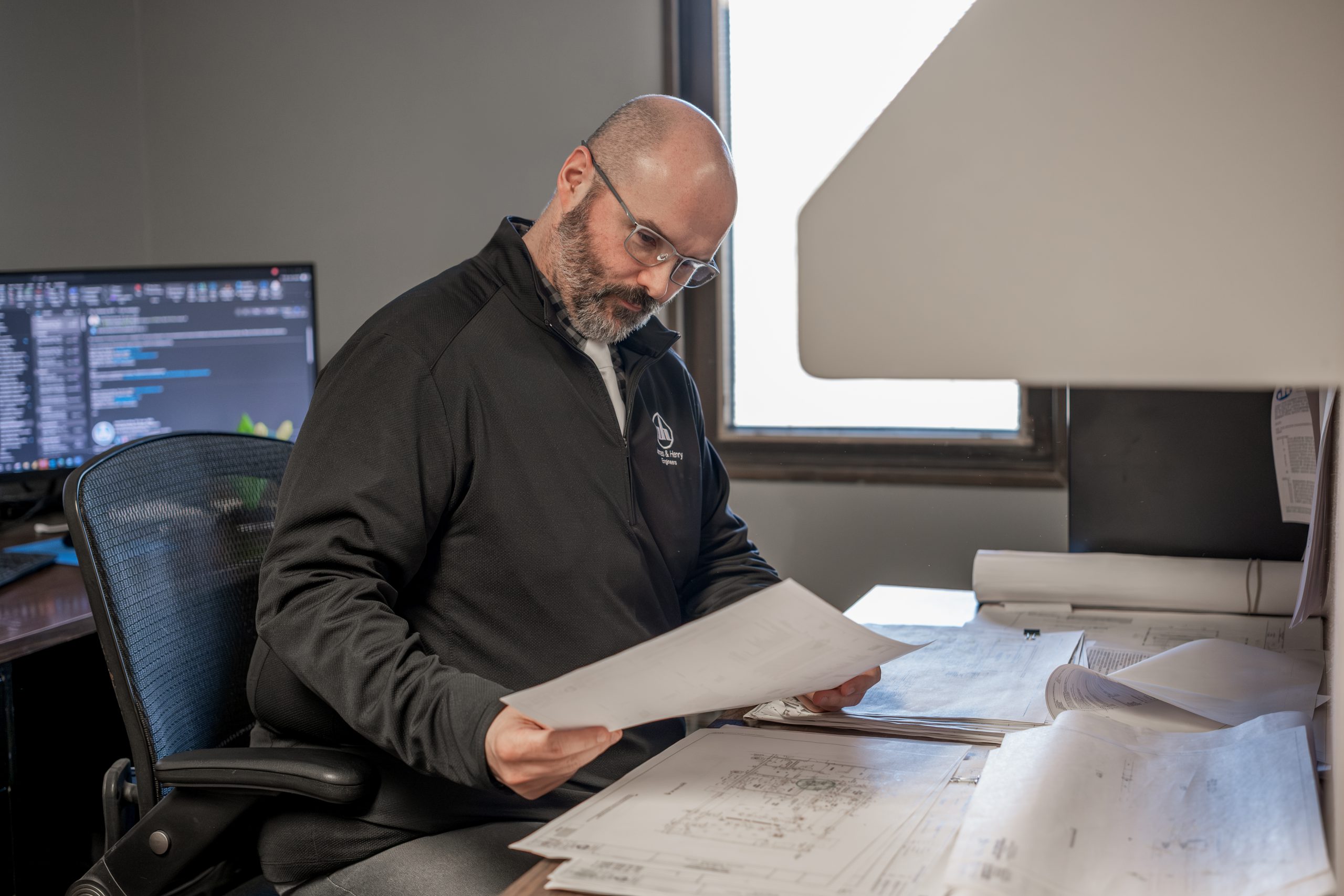
Delivering cutting-edge solutions.
We leverage the latest technology to create accurate, detailed models that drive efficiency and innovation in every project.