
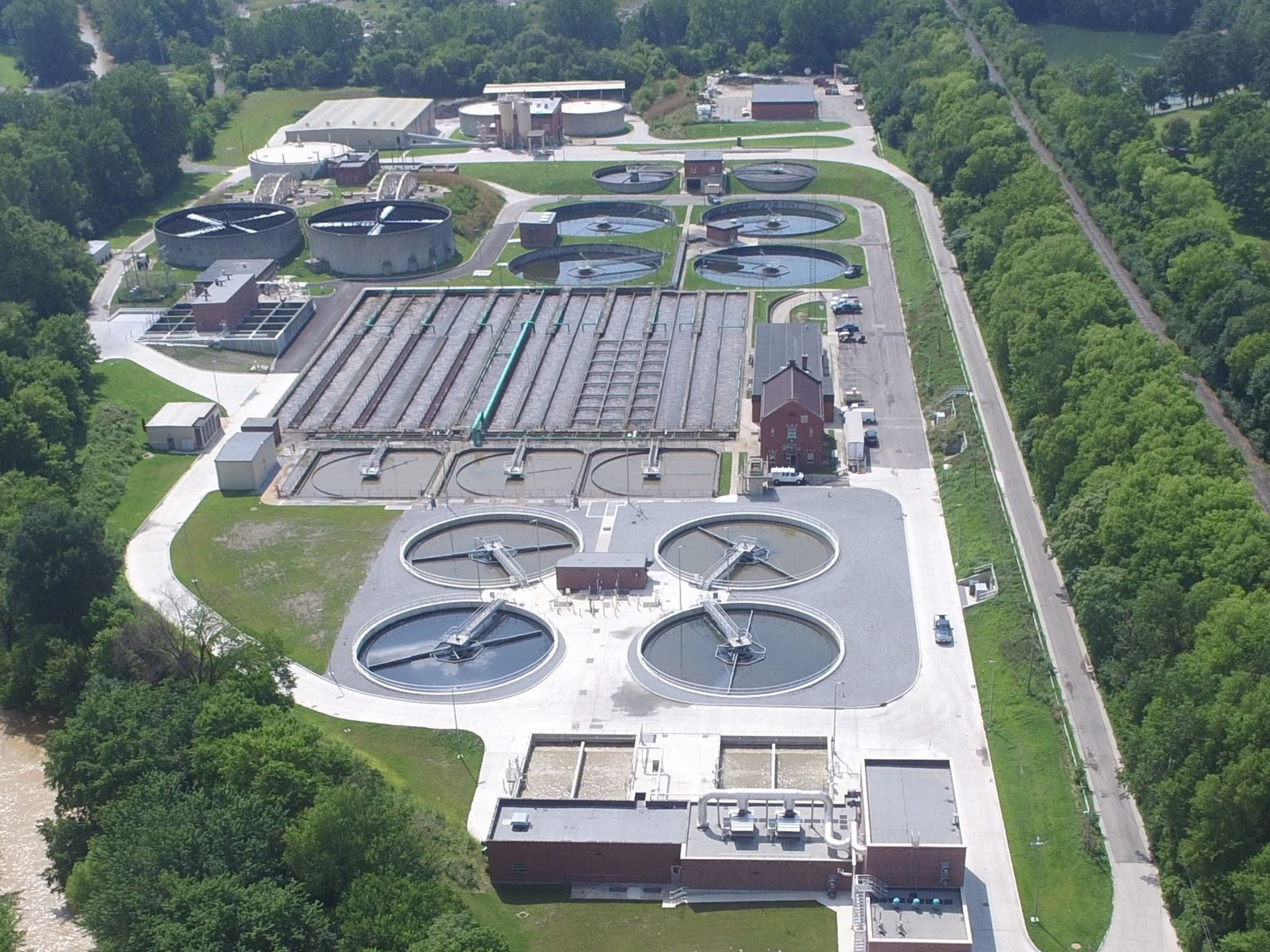
In the heart of Lima, Ohio, a vital piece of infrastructure has been serving the community for decades since its inception. The Wastewater Treatment Plant, initially constructed in 1930 and significantly upgraded over the years, features a remarkable system that has stood the test of time: the plastic media nitrification towers installed in 1976. The towers play a crucial role in the advanced treatment processes that ensure the effective treatment of the community’s wastewater before it is released back into the environment.
Understanding the System
Jones & Henry Engineers conducted a case study and investigation into the use of plastic media trickling filters for nitrifying the plant’s secondary effluent. For over ten years, Jones & Henry examined various fixed-film biological processes, including trickling filters, at several locations in the Great Lakes region. Approximately half of those studies focused on producing nitrified effluents, including the specific case history at Lima.
At the core of the nitrification towers is an innovative attached growth system, where nitrifying bacteria flourish on the surface of plastic media. The bacteria are essential for the biological oxidation of ammonia, transforming it into nitrate, a process that is integral to the treatment plant’s effectiveness. When built, the nitrification towers were groundbreaking, marking one of the largest installations of their kind in the world. Today, they remain a testament to forward-thinking engineering and environmental stewardship.
The use of the plastic media nitrification towers was part of the plant’s overall strategy to maximize flow treatment capacity, especially during peak wet weather events, while adhering to Ohio EPA discharge limits for ammonia.
Commitment to Maintenance and Upgrades
Jones & Henry served as the design engineers and engineer of record for the project. The firm has been involved in numerous other projects at the Lima facility over the years, providing comprehensive services in wastewater planning, design, and construction assistance for various upgrades.
Recognizing the importance of maintaining this aging infrastructure, the City of Lima has made significant investments in repairs and upgrades. In 2022, Lima secured nearly $6 million in financing to replace the nitrification tower media and update the rotating arms, which are critical to their operation. Those essential upgrades ensure that the nitrification process remains efficient and effective.
Additionally, the City undertook substantial concrete work to reinforce the aging walls of the tanks, emphasizing its commitment to the long-term viability of the facility. The projects are crucial not only for operational efficiency but also for meeting modern environmental standards that protect local ecosystems.
A Legacy of Capacity and Compliance
Throughout its history, the Lima Wastewater Treatment Plant has continually evolved to meet increasing demands and stricter regulatory requirements. Significant improvements, such as the 2018 headworks overhaul, have further expanded the plant’s capacity and efficiency, enabling it to treat an average of over 13 million gallons of sewage daily.
The ongoing maintenance of the nitrification system highlights its crucial role in the plant’s operations today. As Lima looks to the future, the integration of innovative technology with historical systems, such as the nitrification towers, demonstrates a balanced approach to sustainability and infrastructure management.
Conclusion
In a world increasingly focused on sustainability and environmental impact, the Lima, Ohio Wastewater Treatment Plant stands as a shining example of how communities can successfully balance historical infrastructure with modern advancements. By investing in maintenance and upgrades, Lima not only preserves its past but also safeguards its water resources for future generations. The continued functionality of the 1976 nitrification towers is a reminder of the importance of innovation, dedication, and responsible stewardship in our ongoing commitment to the environment.